

What we get asked, answered properly.
Field officers answer the same questions in household after household. These are those answers, written down: practical, specific to Uganda, and free to use or print.
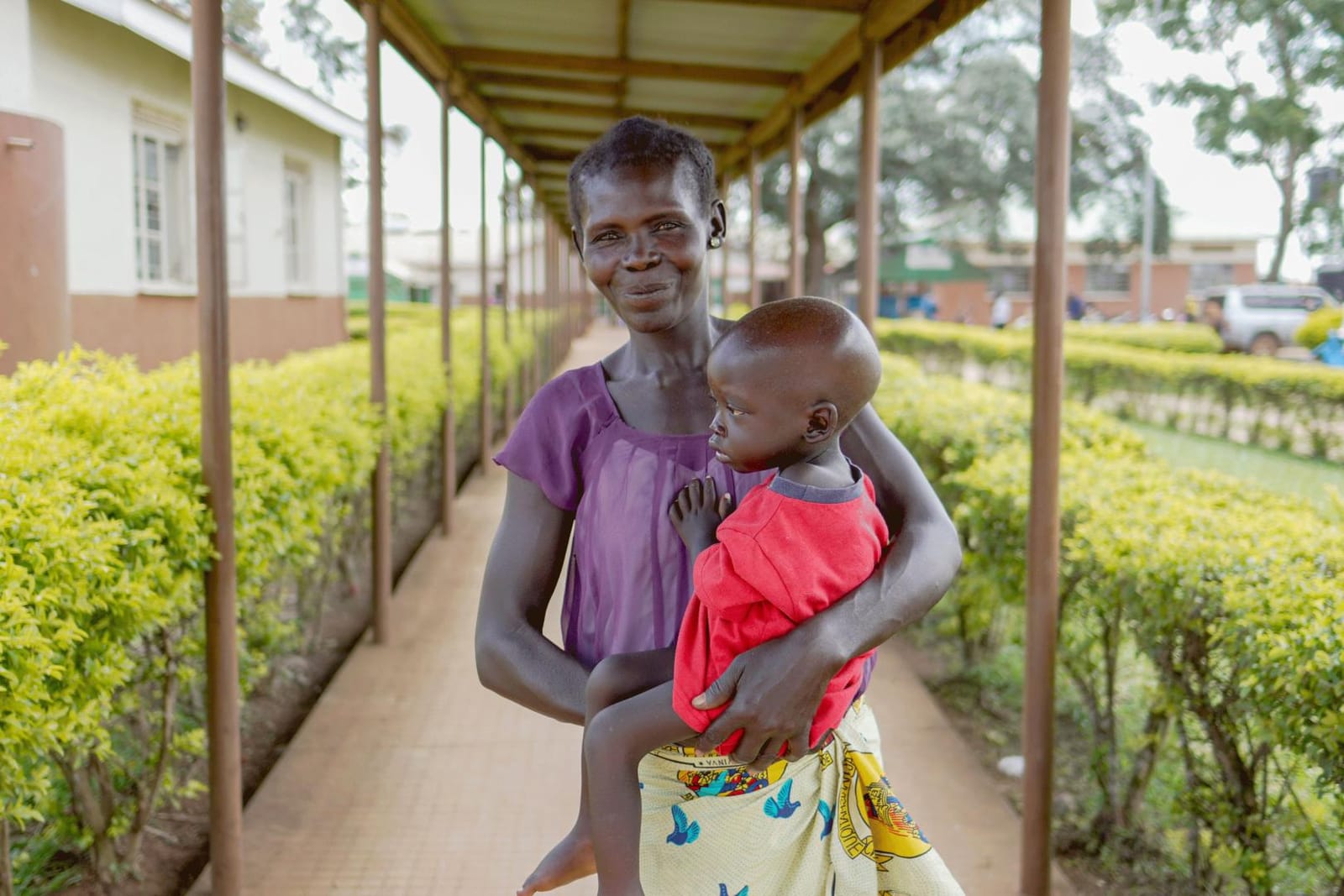
Pregnancy and safe birth in Uganda
A safe birth in Uganda usually comes down to four things a family can plan for: attending antenatal visits and completing them, knowing the danger signs that mean going to a health facility the same day, arranging transport before labour starts rather than during it, and delivering with a trained attendant. The guides below cover each in turn.
- What happens at an antenatal visit, and why the later ones matter most
- Pregnancy danger signs that mean going to a facility today
- What to pack for a birth, and where to keep the bag
- Arranging the ride before labour starts
- Village health teams: what they do and how to get on the register
- What happens when you arrive at a health facility to give birth
- The six weeks after birth: what mother and baby should be checked for
- Anaemia in pregnancy: how it is found and what brings the blood back up
- Malaria in pregnancy: why the risk changes and what actually prevents it
- Deciding about spacing after a birth, without anyone deciding for you
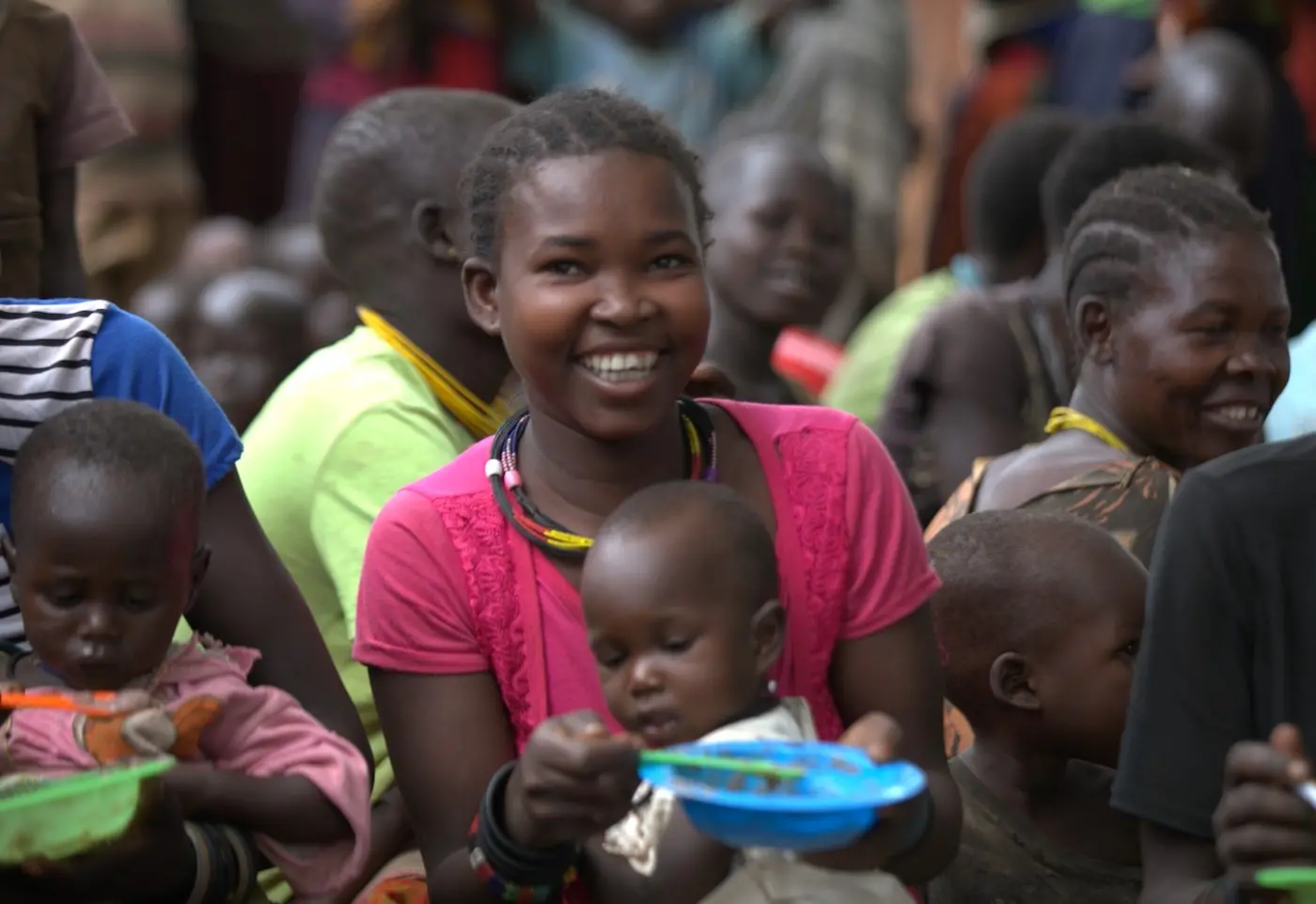
Feeding a child well in Uganda
Child malnutrition is usually visible before it is dangerous, and it is treatable in weeks once it is found. The practical work is knowing how to check a child at home, knowing what a balanced meal looks like using food that already grows nearby, and knowing what changes after a child is discharged from treatment so the same child is not back in six months.
- Reading a MUAC band: what green, yellow and red mean
- What a therapeutic feeding course involves, week by week
- Exclusive breastfeeding for six months, in practice
- Starting solid food at six months, and the year that follows
- Building a balanced plate from food that grows nearby
- Spotting a child who has stopped gaining, before they look thin
- A kitchen garden planted for a child, not for the market
- The weeks after the sachets finish
- Diarrhoea in a small child: what to do at home, and when to go
- Feeding a child through illness, and the fortnight afterwards
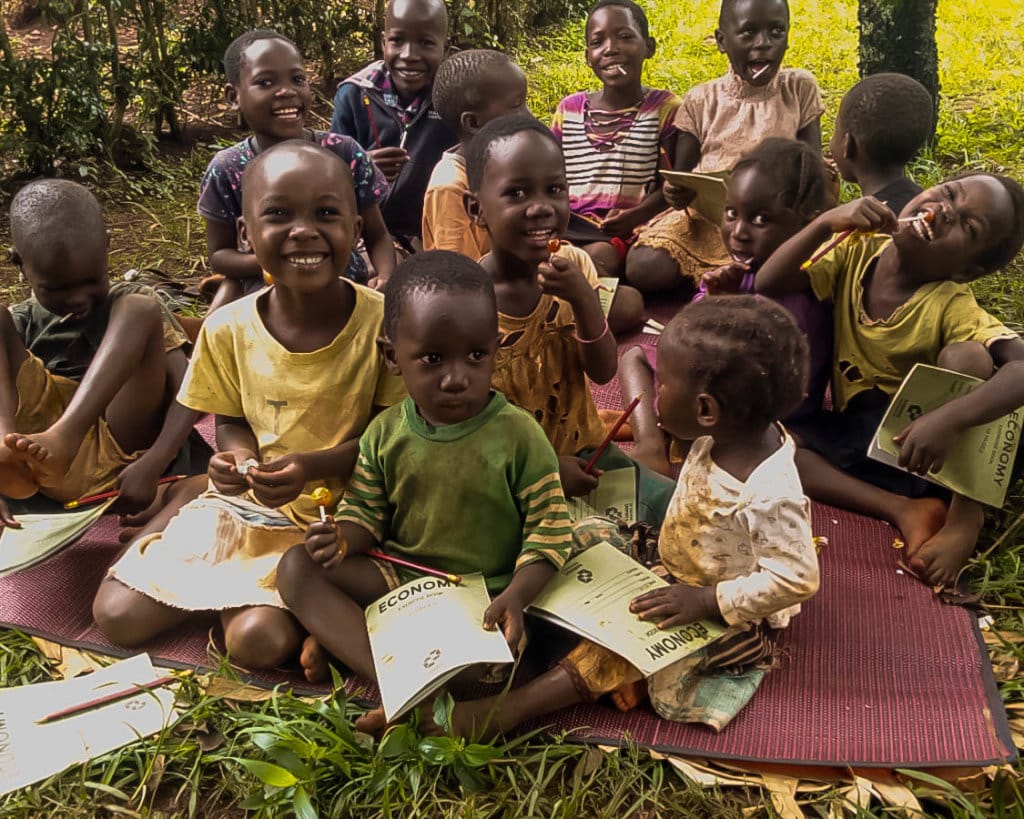
Keeping a girl in school in Uganda
Girls in Uganda rarely decide to drop out. They stop arriving, usually for an ordinary and solvable reason: a term of fees that could not be found, a missing uniform, or a week of absence every month. Addressing the specific reason quickly, and within the first fortnight of absence, is what keeps a girl enrolled.
- What to budget for in a Ugandan school term
- Menstrual health and the week a girl misses every month
- Making reusable pads that a girl will actually use
- The week you realise the school fees are not there
- Finding help with a Ugandan girl's school fees
- Getting a girl back to school after she has stopped going
- Talking to parents about keeping a daughter in school
- Early marriage: how to spot it coming, and who to go to
- Choosing subjects at the start of Senior Three
- The term before the exam: what a household can actually do
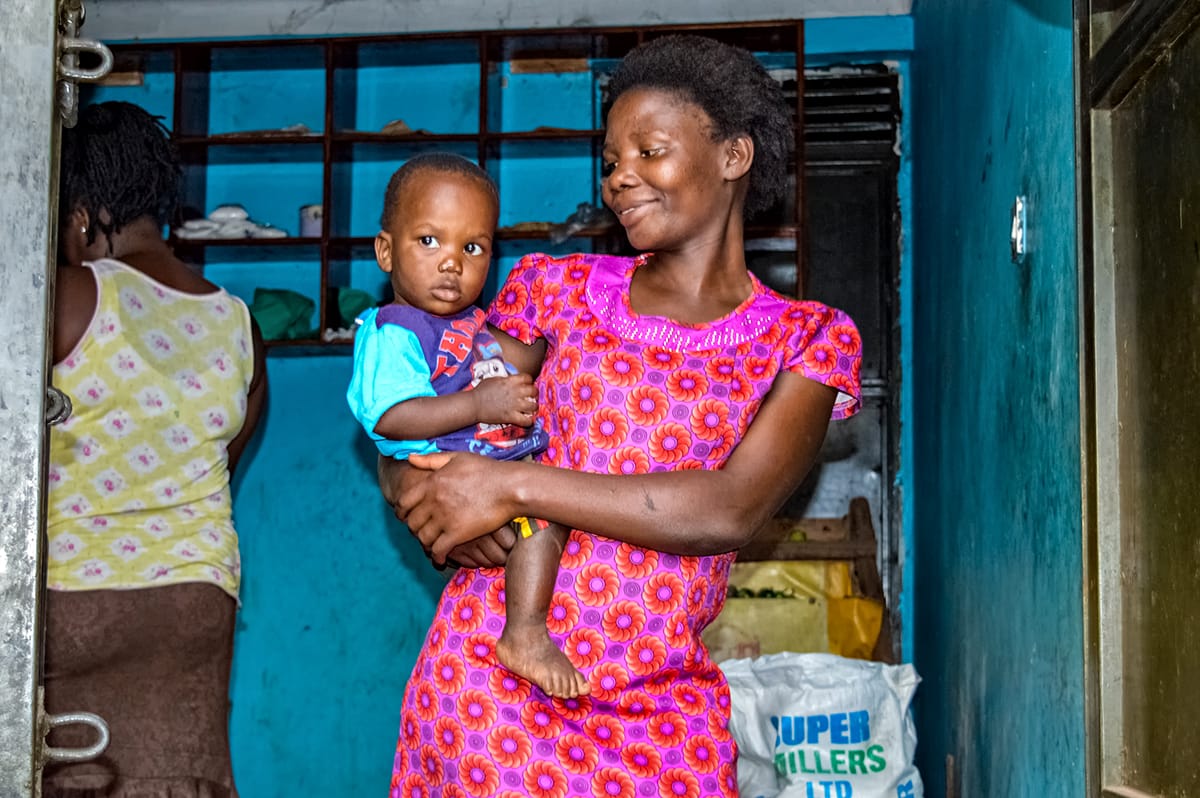
Savings groups and small business for women in Uganda
Reliable household income in rural Uganda is usually built from three things: a savings group that turns small weekly amounts into a usable lump sum, a trade that actually sells in the local market, and a small amount of capital arriving at the right moment. The guides below cover how each works in practice.
- How a village savings and loan group works
- Starting a savings group: the first twelve weeks
- Keeping savings group records anyone can check
- Choosing a trade that actually sells where you live
- Pricing so a business is not busy and broke
- Mobile money for a small business, without losing track of it
- Getting a trading licence from your district
- Buying stock together so the group pays the wholesale price
- Saving across three terms so fees are not an emergency
- When a member cannot repay her loan
40 guides across 4 subjects.
These guides come out of the work.
Every one of them was written because a field officer answered the same question in one household after another.